Trauma Healing Programs
Trauma is often invisible. Its effects shape relationships, parenting, learning, and daily stability.
AGCPI’s trauma healing programs create structured spaces where participants can reflect, speak honestly, and begin rebuilding steadiness in their lives.
Healing is not presented as a quick solution. It is a process grounded in presence, trust, and shared experience.
Creating Safe Spaces for Reflection
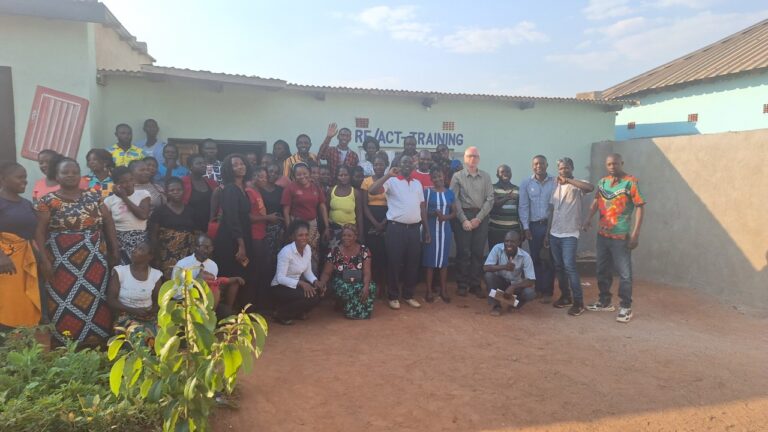
Workshops and group sessions take place in calm, supportive environments. Participants are free to speak, listen, or remain quiet. No one is pressured to share more than they are ready to share.
Safety comes first. Emotional safety. Relational safety. Physical safety.
This foundation allows participants to begin exploring patterns that may be shaping family life, decision-making, and self-perception.
Grounded in Lived Experience
Our trauma healing programs are facilitated by trusted local leaders who understand the realities participants face. The work blends practical tools for emotional regulation with guided conversation and community support.
Trauma is not treated as a label. It is recognized as lived experience that deserves patience and respect.
We do not impose solutions. We walk alongside participants as they strengthen their own capacity for resilience.
Rooted in Community and Faith
Healing does not happen in isolation. It happens in relationship.
Our programs are shaped by the values of the local community, including faith traditions that emphasize dignity, compassion, and shared responsibility. While the work is practical and grounded, it is also relational and spiritually aware.
Participants often describe the experience not as therapy, but as being seen and heard without judgment.
Integrated with Education and Skills Training
Trauma healing is connected to AGCPI’s broader work.
When caregivers gain emotional stability, children benefit. When stress decreases, learning improves. When confidence grows, participation in skills training becomes more possible.
These programs are not separate from education or vocational training. They reinforce them.
Why It Matters
Unaddressed trauma can quietly shape generations. When healing begins, the effects can also ripple outward.
A steadier parent creates a steadier home. A person who feels supported is more likely to support others.
The impact is often gradual, but it is meaningful.
Support Trauma Healing Programs
If you would like to support trauma healing workshops and safe community spaces, you can do so here.