Support Vulnerable Children and Families Through Education, Skills, and Healing

Most struggles are inherited, not chosen.

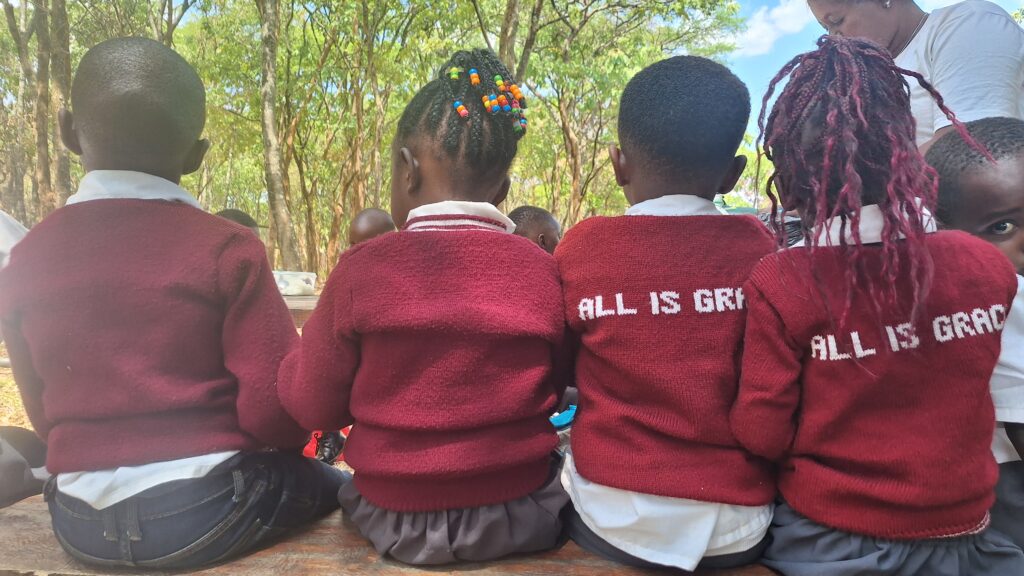
Children seated side by side on a bench during a school outing, wearing school uniforms.

What shapes a life often begins long before adulthood. In many communities, poverty is not only about what is missing today, but about patterns that quietly repeat over time. Homes are unstable. Schooling is interrupted. Choices are shaped by circumstances that leave little room to imagine alternatives.

All Is Grace Community Partnership Initiative exists to respond carefully and relationally to these patterns, beginning in Ndola, Zambia. Our work focuses not on quick fixes, but on creating the conditions in which change has the chance to take root and continue.

What Shapes a Life

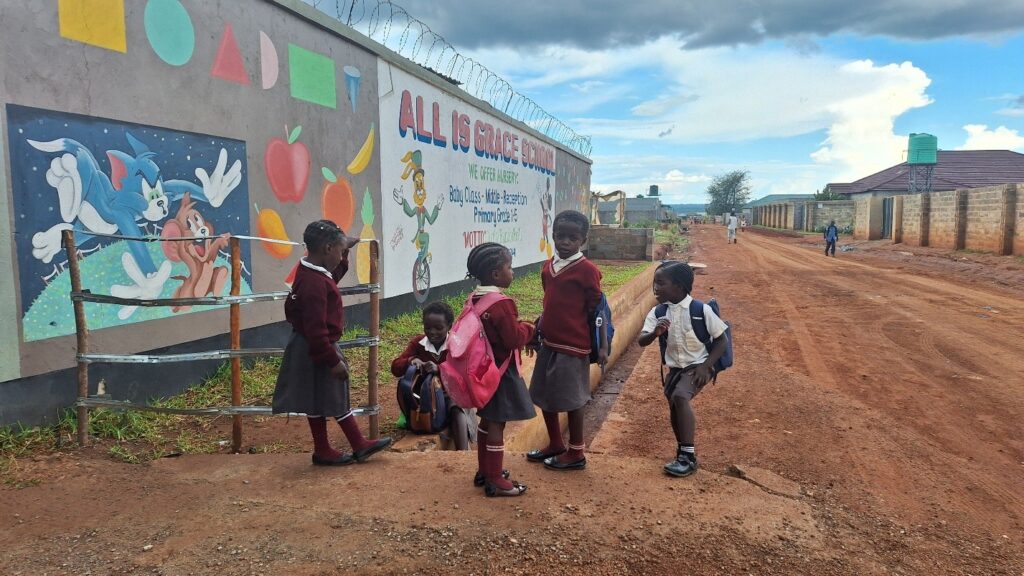
Children in school uniforms stand and talk beside a painted wall outside All Is Grace School along a dirt road.

In many communities, poverty does not persist simply because resources are scarce. It persists because trauma remains unaddressed, opportunity is limited, and patterns repeat quietly across generations.

These patterns rarely announce themselves as crises. They do not arrive as emergencies or headlines. Instead, they take shape slowly in daily life: unstable homes, interrupted schooling, strained relationships, and decisions made within narrow margins. Over time, these conditions begin to feel normal. They are no longer questioned. They are inherited.

Children grow up learning not only what is available to them, but what is realistic to hope for. Adults make choices shaped by histories they did not choose and were never given the tools to understand. The cycle continues not through neglect or failure, but through familiarity.

Lasting change requires responding to this reality deliberately, across stages of life, rather than addressing one problem at a time.

A Different Way of Responding

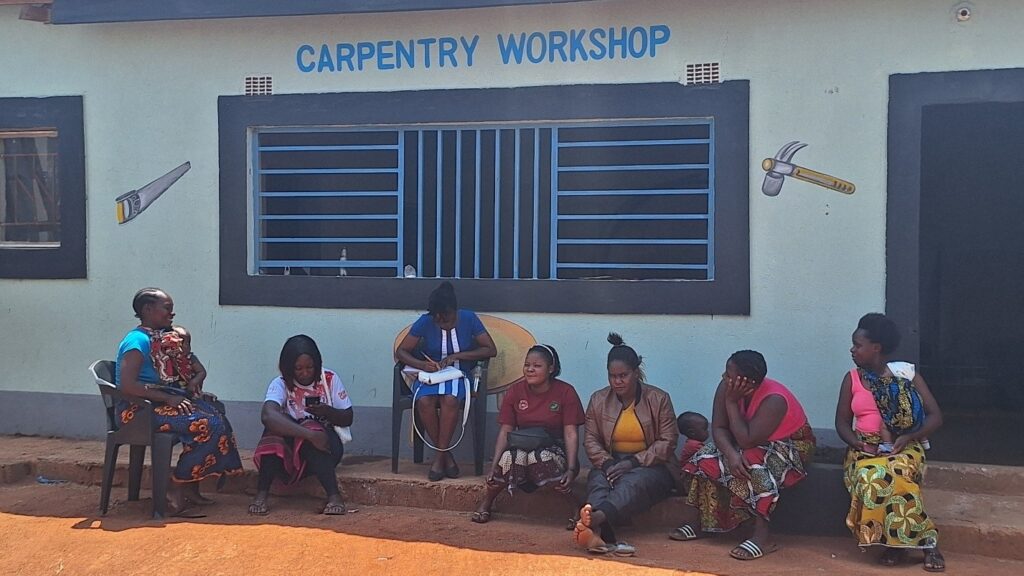
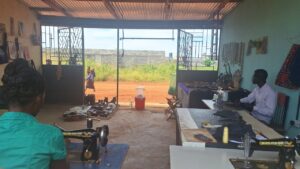
Women sit together outside a building labeled “Carpentry Workshop,” some holding young children.

Lasting change does not come from addressing a single problem in isolation.

Education offered without stability at home struggles to endure. Skills taught without addressing emotional patterns often fail to translate into sustained work. Trauma acknowledged without real opportunity remains unresolved.

Each of these efforts matters. None is sufficient on its own.

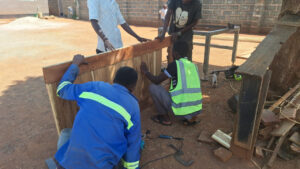
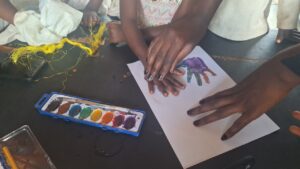
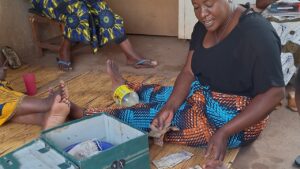
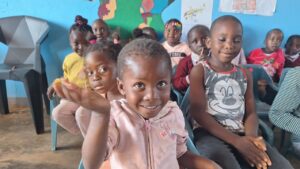
Our work rests on three interconnected commitments:

These are not separate programs. They are parts of a single response to a single, complex reality.

When families become more stable, children are able to remain in school. When children remain in school, opportunity begins to widen. Over time, the cycle can begin to loosen its grip.

The School as a First Expression

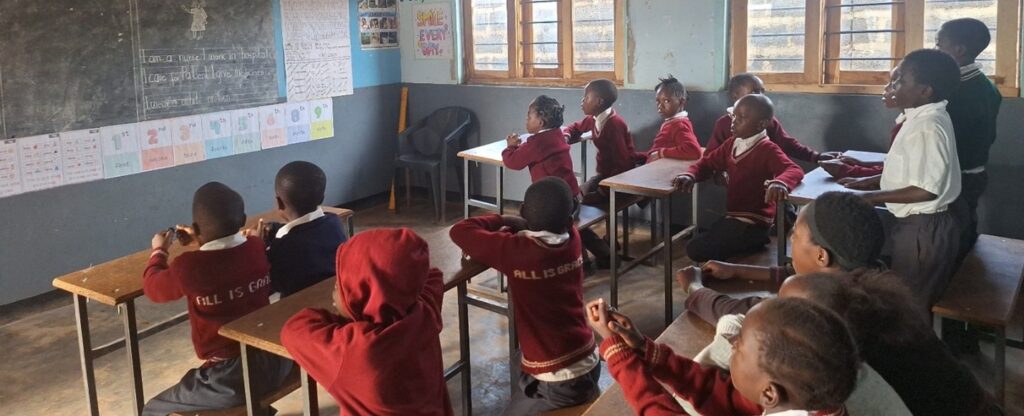
Students in school uniforms sit at desks inside a classroom, facing the front during a lesson.

In Ndola, this integrated approach first took form as All Is Grace School.

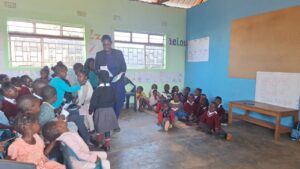
The school provides primary education, daily meals, and a consistent environment for children who would otherwise have no access to school at all. Just as importantly, it offers rhythm. Children arrive knowing what the day will hold. Teachers remain present. Expectations are clear.

Predictability creates safety. Safety creates space for learning.

The school is not the entirety of our mission. It is the first visible expression of it.

Learn more about how this work began.

What It Takes to Keep a Child in School

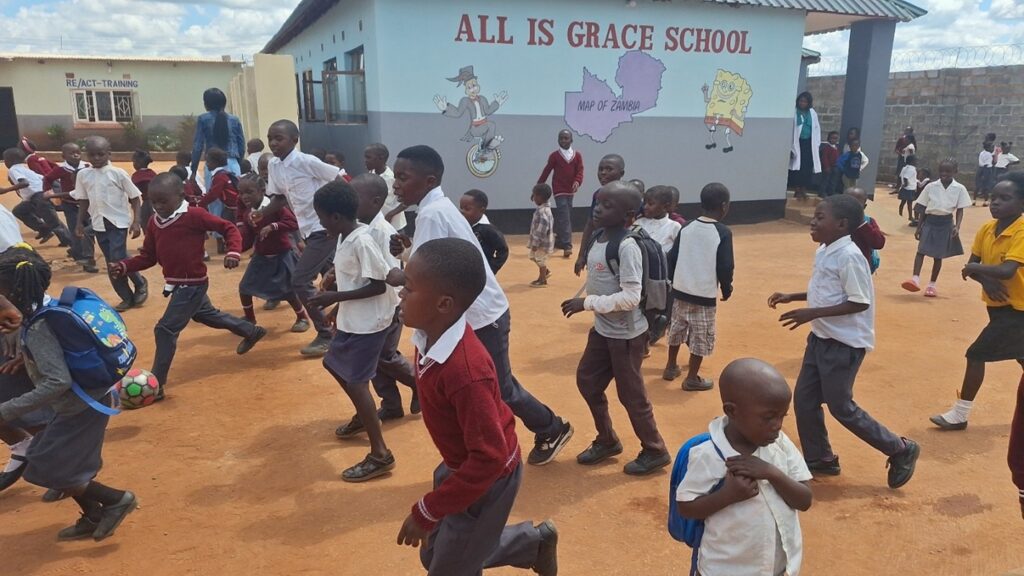
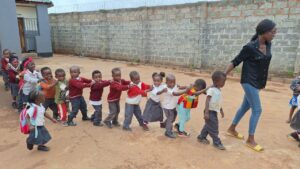
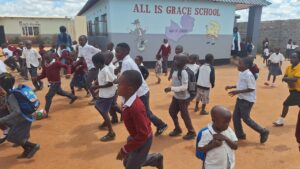
Children in school uniforms run and play together in an open school yard.

Running the school currently costs about $25,000 per year for 95 children. This works out to roughly one dollar per child per day.

That dollar does not purchase transformation. It supports continuity.

It helps provide education, meals, and an environment where children can rely on consistency rather than disruption. For many supporters, this matters. A modest, steady contribution becomes a way of participating in something ongoing rather than responding to a crisis.

You can see how this work unfolds through stories from the community and updates on impact.

Why the Work Is Not Finished

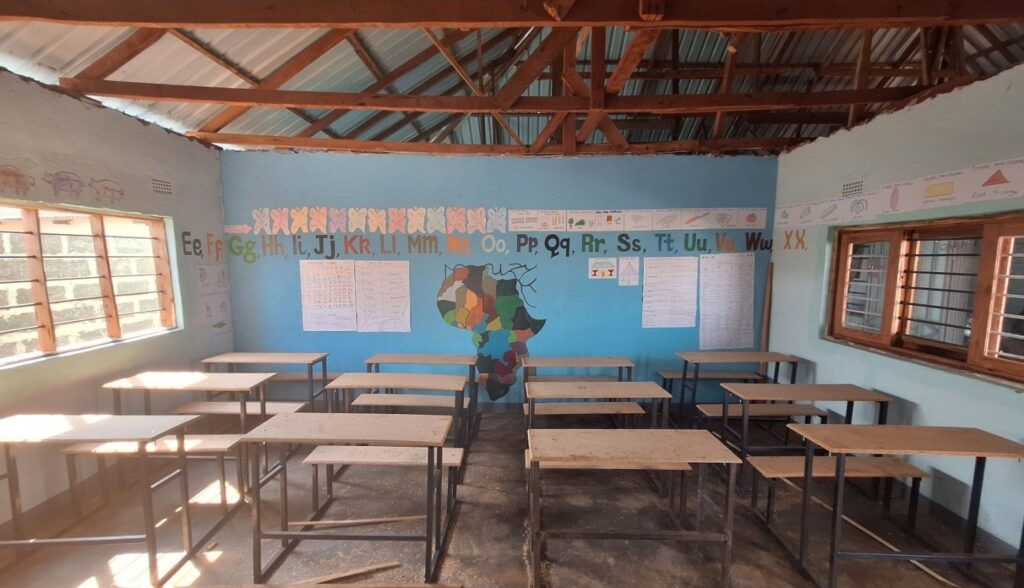
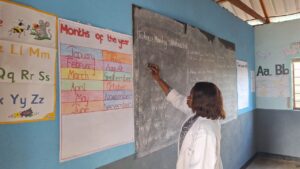
An empty primary school classroom with wooden desks, painted alphabet letters, and learning posters on the walls.

The school is only one part of the work.

Many young adults in the community missed education entirely and now face adulthood without skills or income stability. Without opportunities to learn practical skills, families remain vulnerable, and the next generation faces the same narrow options.

At the same time, trauma awareness and healing among adults remains an unfinished need. Without this work, gains in education and skills are fragile. Family instability reasserts itself. Old patterns return. Progress unravels.

These are not additions to the mission. They are the steps required to complete the work the school has begun.

This ongoing work is shaped by accountability, transparency, and long-term stewardship. Growth is guided by care rather than speed.

An Ongoing Invitation

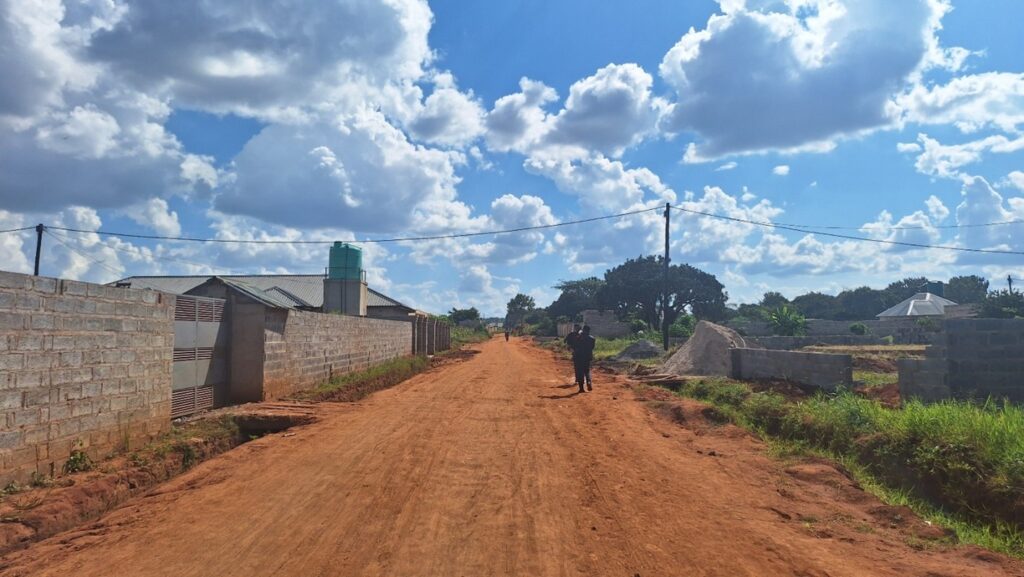
A wide dirt road runs through a residential neighborhood with brick walls, homes, and a person walking in the distance.

This work is still unfolding.

Change of this kind takes time. It requires patience, consistency, and a willingness to remain present even when progress is uneven.

For some, participation means supporting a child’s education through steady giving. For others, it means walking alongside the broader work as skills training and trauma awareness expand. For many, it begins simply by staying connected and learning more.

Support does not complete the story. It helps carry it forward.

Supporting the Work

If you choose to support All Is Grace Community Partnership Initiative, you can do so in a way that fits your values and capacity. Many supporters give monthly, valuing consistency over scale. Others give when they feel moved or choose to stay connected by following the work as it develops.

However you participate, thank you for taking the time to understand the work as it truly is: honest, unfinished, and still in progress.

Stories from the Community

Click any story to read more, or swipe to explore others